
Why Bilingual Real Estate Support Matters In Hopkins County
If you have ever felt nervous about missing an important real estate deadline, imagine trying to sort through contracts, inspections, and money questions in more than one language. In Hopkins County, that is a real need for many households, not a rare situation. When communication is clear in both English and Spanish, you can make decisions with more confidence and less stress. Let’s dive in.
Hopkins County is not a one-language market. The county’s 2025 population estimate was 39,063, and 17.0% of residents age 5 and older speak a language other than English at home. About 19.6% of residents identify as Hispanic or Latino, which makes language access a practical part of everyday real estate service.
The area also covers 767.43 square miles, with a population density of 47.9 people per square mile. In a county this spread out, home buying and selling often involves several conversations, several appointments, and more than one public office. Clear communication helps keep everything moving in the right direction.
Homeownership is also a major part of life in Hopkins County. The owner-occupied housing rate is 71.1%, and the median owner-occupied home value is $221,100. For many families, buying or selling a home is one of the biggest financial decisions they will make, so understanding each step matters.
One reason bilingual real estate support matters so much in Hopkins County is that Texas transactions can become serious very quickly. Once an offer is accepted, key deadlines can start right away, and Texas does not have an automatic cooling-off period for a home purchase.
The option period is one of the most important examples. According to the Texas Real Estate Commission, the option fee and option period are negotiable, but if the buyer pays the fee and gives written notice on time, the buyer can terminate for any reason during that period. That same window is also when buyers typically inspect the property and negotiate repairs.
Earnest money timing matters too. TREC says earnest money generally must be deposited by the close of business on the second working day after execution unless the contract says otherwise in writing. If a buyer or seller misunderstands that deadline, the consequences can be stressful and expensive.
Bilingual support is most valuable in the parts of the transaction where timing, money, and technical language all come together. These are not small details. They are the moments that can shape the entire outcome of the deal.
An accepted offer is more than a handshake. It sets the framework for deadlines, fees, and next steps. If one person in the household understands the terms differently than another, confusion can show up almost immediately.
The option period is often misunderstood because it sounds simple, but it carries real weight. It is the time to inspect the property, review concerns, and decide whether to move forward. If that timeline is not explained clearly, you may lose valuable time to ask questions or negotiate.
TREC says licensed Texas inspectors must use the standardized REI 7-6 form for residential inspections. It also notes that an inspection is not exhaustive, which means the report may point to issues that need more follow-up. If the language in that report is not explained clearly, it can be hard to tell what is routine, what is urgent, and what should be reviewed before the option period ends.
After the inspection, buyers and sellers often need to talk through repair requests or credits. That conversation can involve cost, safety concerns, and negotiation strategy. Good bilingual support helps everyone understand what is being requested, what is being offered, and what the choices really mean.
When a loan is involved, the property will usually need to be appraised. TREC explains that lenders generally want to confirm the property is sufficient collateral for the loan. If buyers are hearing new terms for the first time without clear explanation, the appraisal step can feel confusing when it should feel manageable.
Earnest money can become a source of stress when a transaction changes direction. TREC says it does not decide who is entitled to earnest money, and some disputes may require a private attorney. That is another reason accurate communication from the beginning matters so much.
Not all bilingual help is the same. Real estate conversations involve deadlines, financial choices, and legal documents, so casual translation is not always enough.
HUD’s language-access guidance makes an important point: simply calling yourself bilingual does not automatically make someone an effective interpreter. Strong support should include real interpreting or translation skill, clear explanations, and a process that helps you understand both the words and the meaning behind them.
A good bilingual real estate experience should explain the full process in plain language. That includes the offer, option period, inspection report, repair negotiations, appraisal, earnest money, and when legal review may be appropriate. You should never feel like you are signing first and understanding later.
In many families, more than one person helps make housing decisions. Bilingual support can help the whole household hear the same explanation at the same time, in both languages. That reduces the chance that one relative walks away with a different understanding of the deadline, the risk, or the next step.
Verbal conversations are important, but they are even better when they are followed by a written recap. A clear summary of deadlines, next actions, and major decisions can help everyone stay on the same page. This is especially helpful in fast-moving Texas transactions.
Many families naturally turn to a spouse, adult child, or friend to help translate. While that may feel convenient, HUD cautions against relying on family or friends as the default interpreters for private or technical matters, especially when the conversation is sensitive.
Real estate is full of sensitive topics. You may be discussing money, repairs, inspection concerns, or legal rights. In those moments, it helps to have communication support that is focused on accuracy, clarity, and privacy.
This does not mean family should be left out. It means everyone benefits when the explanation is handled clearly and professionally, so relatives can focus on decision-making instead of trying to carry the full burden of translation.
Hopkins County real estate can involve homes in Sulphur Springs, nearby towns like Cumby, Como, and Saltillo, and properties that touch different offices and jurisdictions. The county property-tax directory also reflects service across multiple municipalities and school districts. That local structure is a reminder that a move here may involve more than a single form or a single office.
For buyers and sellers in a county with rural space, multiple communities, and a strong ownership culture, communication needs to stay organized. Bilingual support helps you ask better questions, track deadlines, and move through the process with fewer avoidable surprises.
If you are buying, bilingual support can help you understand the timeline before pressure builds. You can review offer terms, know when earnest money is due, and talk through inspection findings before the option period expires.
If you are selling, bilingual communication can also reduce confusion during negotiations. Clear explanations can help you respond to repair requests, contract changes, and buyer questions with more confidence.
In both cases, the goal is simple. You deserve to understand what is happening, what your options are, and what needs your attention next.
A strong real estate team does more than open doors or send listings. It helps manage the process, explain what matters, and keep communication clear from start to finish. In a market like Hopkins County, that support can make a meaningful difference for Spanish-speaking clients and for mixed-language households.
Renee Real Estate Group already emphasizes full-service buyer and seller guidance, negotiation support, contract handling, and bilingual Spanish-language service through Beatriz Reyna. That kind of team-based support fits what many local families need most: steady guidance, practical explanations, and follow-through when deadlines matter.
When you feel informed, you can make better decisions. And when everyone involved understands the plan, the path forward usually feels a lot less overwhelming.
If you want clear, supportive guidance for your next move in Hopkins County, Renee Jennings and the team are ready to help you navigate the process with confidence.
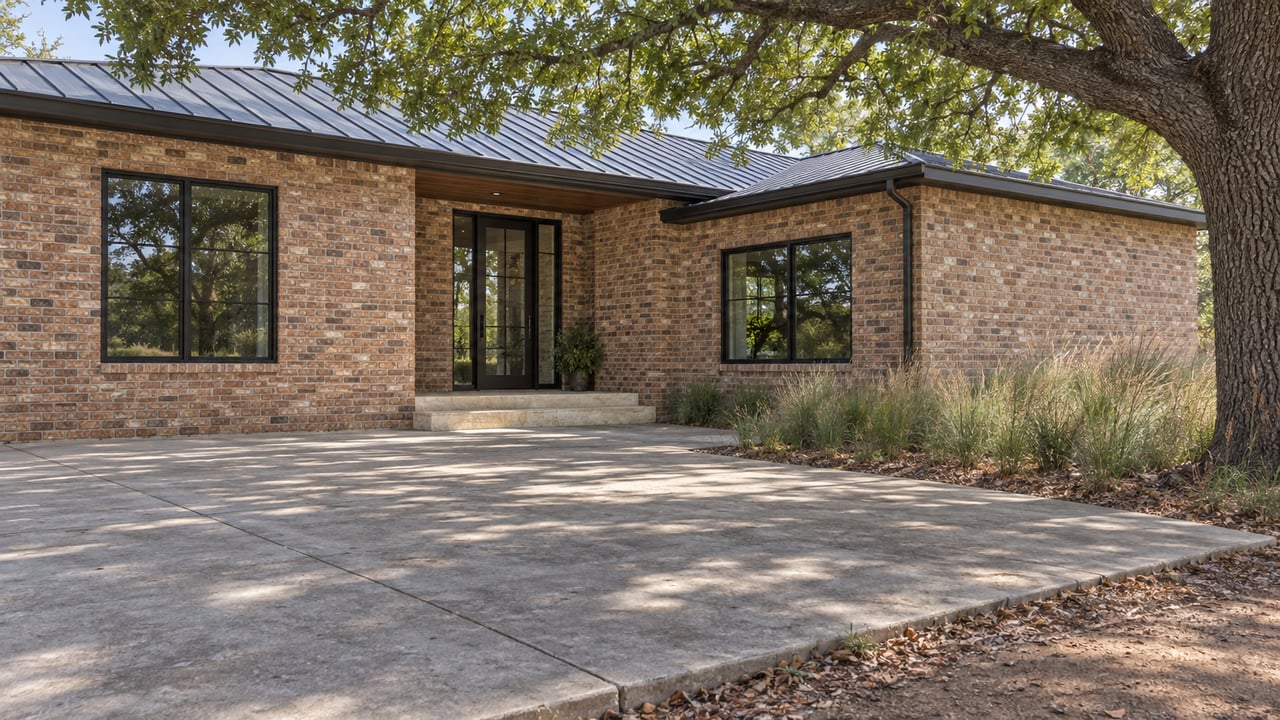
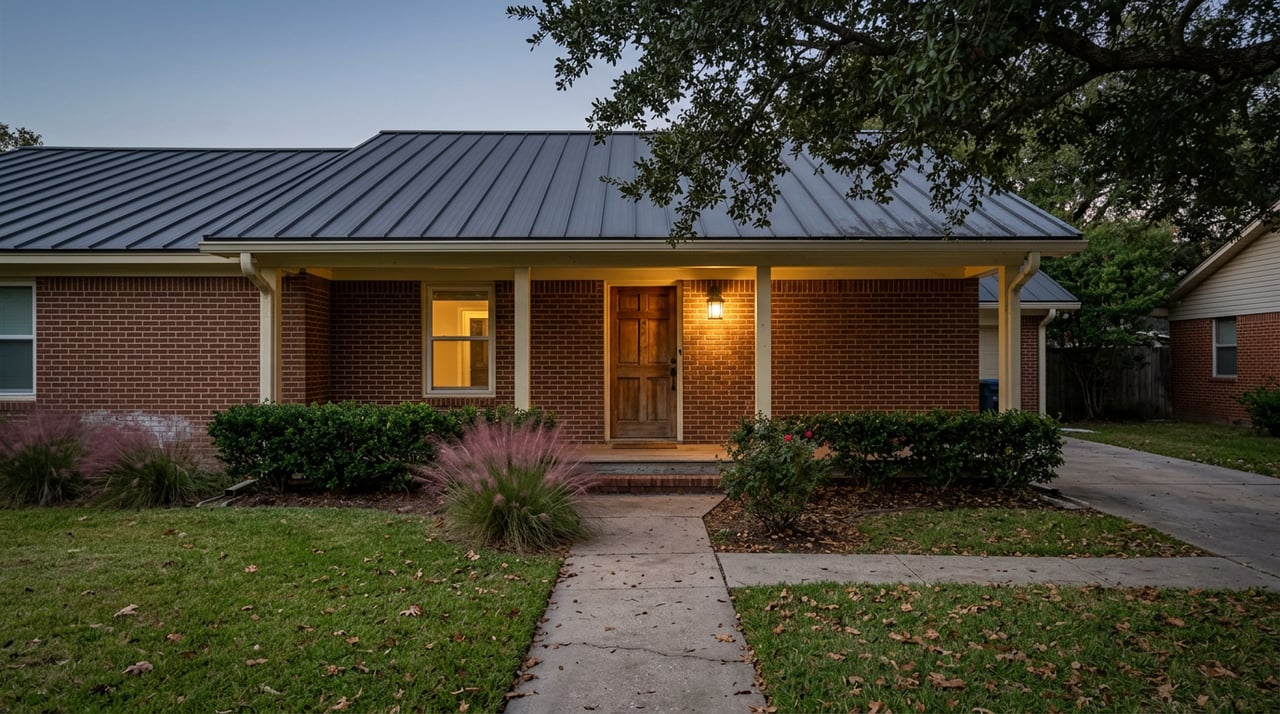


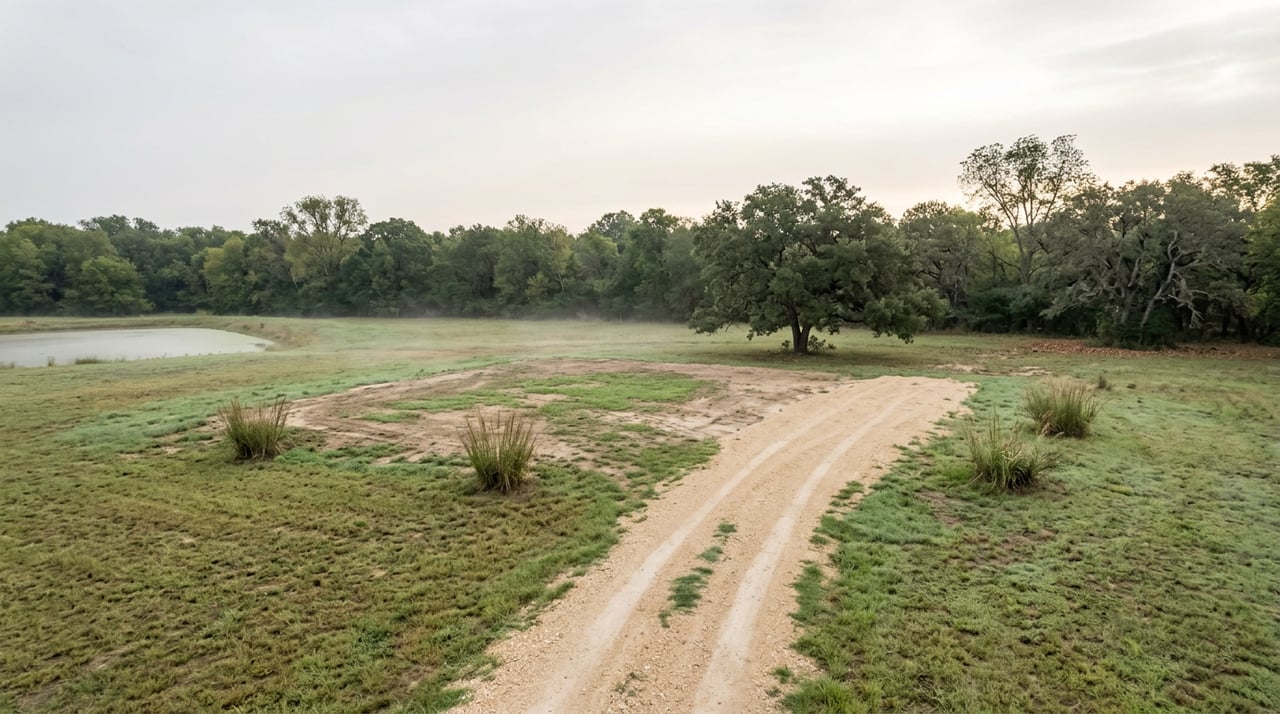
We are committed to guiding you every step of the way—whether you're buying a home, selling a property, or securing a mortgage. Whatever your needs, we've got you covered.

Renee Real Estate Group
208 Main St Sulphur Springs, TX 75482