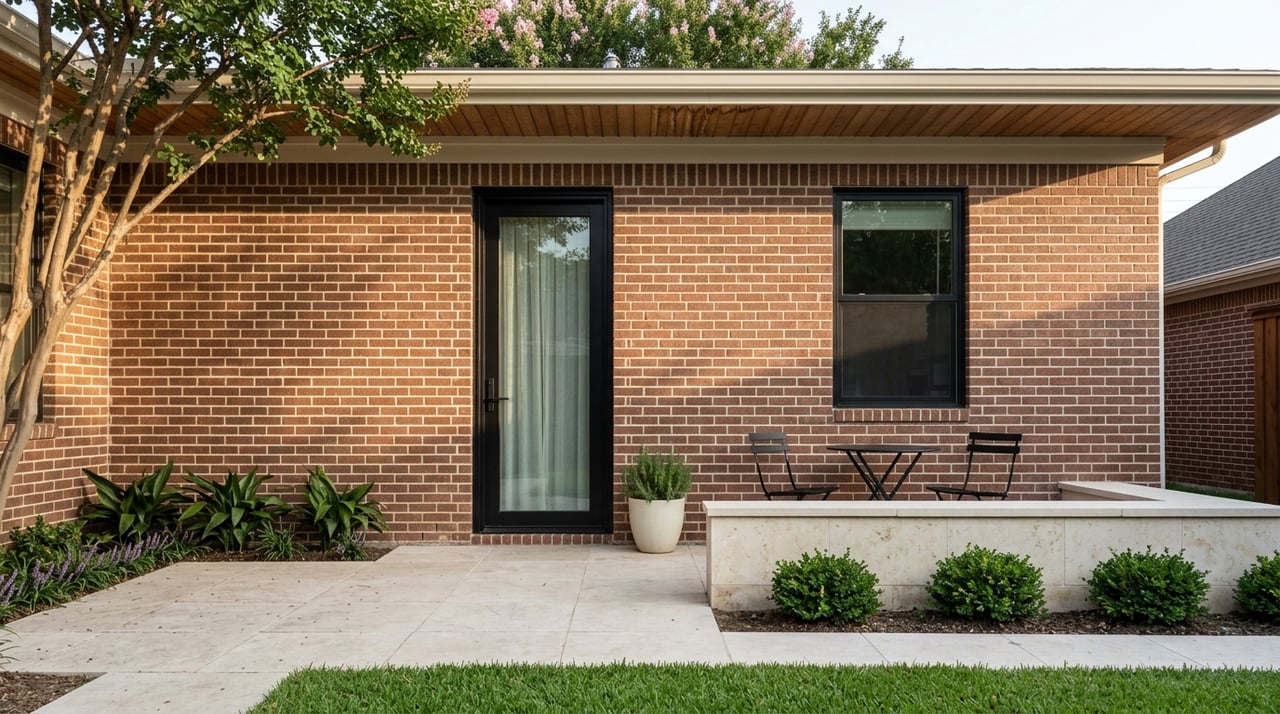
Sulphur Springs vs Hopkins County Homes: What Fits Best?
Trying to choose between a home in Sulphur Springs and a place out in rural Hopkins County? On paper, both can sound like the same East Texas dream, but daily life can feel very different depending on where you land. If you want less upkeep, easier utility setup, or shorter local drives, one option may fit better. If you want more space, more privacy, and more flexibility with land, the other may be worth the tradeoff. Let’s break down what really changes between the two so you can choose with confidence.
The biggest difference is not just the address. It is the overall ownership experience. Sulphur Springs is a more compact, service-centered setting, while rural Hopkins County covers a much larger area with far fewer people per square mile.
Sulphur Springs has 20.54 square miles of land and a population density of 776.1 people per square mile. Hopkins County has 767.43 square miles of land and a population density of 47.9 people per square mile. For you as a buyer, that usually means in-town living feels more standardized, while rural living comes with more variation from one property to the next.
If you are deciding between town and country, start with one simple question: How much land do you actually want to maintain? A bigger lot can sound appealing, but it often comes with more mowing, more fencing, more drainage concerns, and more day-to-day responsibility.
Hopkins County Appraisal District examples show just how wide that range can be. One town parcel in Sulphur Springs is listed at 0.630 acres, while a rural homestead on County Road 2473 is 1.000 acre, and a larger tract on Highway 11 is 831.434 acres. That range matters because rural Hopkins County is not one single property type.
You may find a small country home on a manageable piece of land, or you may be looking at acreage that changes how you think about upkeep, access, and long-term plans. In Sulphur Springs, lot sizes and ownership expectations are usually more predictable.
One of the clearest benefits of buying in Sulphur Springs is the simplicity of city services. The city’s new residential service setup includes water, sewer, trash, and a street maintenance fee, with a $130 deposit required for residential service. For many buyers, that bundled setup makes the move-in process easier.
If you want fewer moving parts, in-town living may feel more comfortable. You are generally dealing with a more straightforward service model instead of managing multiple independent systems tied to the property.
That can be especially helpful if you are a first-time buyer, relocating to the area, or simply looking for a home that feels easier to maintain from day one.
Outside town, homeownership often becomes more hands-on. One of the biggest examples is wastewater service. The Texas Commission on Environmental Quality says permits and approved plans are required to construct, alter, repair, extend, or operate an on-site sewage facility, also called an OSSF.
That does not mean a rural property is a bad choice. It simply means septic due diligence becomes an important part of the buying process. You want to understand what system is in place, what condition it is in, and what rules may apply to the property.
TCEQ also notes that local permitting authorities can be stricter than state minimums. So if you are buying outside Sulphur Springs, it is smart to treat septic review as a core part of your decision, not a small detail to check later.
When you buy rural property, the home itself is only part of the picture. You also need to think about how you get to it and who is responsible for certain access points and road-related issues.
Hopkins County’s subdivision regulations reference an OSSF program for proposed subdivisions or development plans, along with permits to construct access driveway facilities on county road right of way. The county materials also reference county road maintenance. In practical terms, that means rural buyers should pay close attention to driveway access, road frontage, and maintenance questions.
This is one reason rural properties often require a little more investigation up front. A beautiful home on acreage can still come with practical questions that are less common in town.
If your schedule depends on getting around efficiently, location matters in a very real way. Sulphur Springs generally supports shorter local trips, and the data backs that up.
Census figures show a mean travel time to work of 17.2 minutes in Sulphur Springs city and 22.6 minutes in Hopkins County overall. That does not describe every household, but it does support the idea that living outside town usually adds more drive time.
For buyers who commute toward the Dallas-Plano-Irving side of the metro, highway access also matters. TxDOT identifies I-30, SH 11, SH 19, SH 37, and SH 154 as major routes in the area, with I-30 serving as the key east-west connection. If regular highway travel is part of your routine, the exact property location can make a noticeable difference in daily convenience.
While town living wins on simplicity, rural Hopkins County often wins on space and flexibility. If your goals include privacy, room to spread out, or land for future use, the county may offer options that Sulphur Springs cannot match.
The county’s agricultural profile helps explain why rural living feels different here. In 2022, Hopkins County had 1,873 farms, 317,431 acres in farms, and an average farm size of 169 acres. Many farms fell into the 10 to 49 acre and 50 to 179 acre ranges.
That does not mean every rural home is a farm, but it does show how normal land-based ownership is in this area. If you are drawn to wooded tracts, open fields, or a home with more breathing room, rural Hopkins County may align better with your lifestyle.
Before you decide, it helps to be honest about your daily habits and long-term priorities. A home that looks perfect online may not be the best fit once you factor in upkeep, utility systems, and drive time.
Here are a few questions to think through:
Your answers can quickly point you in the right direction.
Sulphur Springs may be the better fit if you want a more predictable ownership experience, bundled city services, and shorter local drive times. It often makes sense for buyers who value convenience and a simpler day-to-day routine.
Rural Hopkins County may be the better fit if you want acreage, more privacy, and a property that gives you more room to shape your lifestyle. It can be a great match, but it usually asks more of you in return when it comes to due diligence, access, and upkeep.
Neither choice is automatically better. The right move depends on what you want your daily life to look like after closing.
If you want help comparing homes in Sulphur Springs with acreage properties across Hopkins County, Renee Jennings can guide you through the tradeoffs and help you find the right fit for your goals.


We are committed to guiding you every step of the way—whether you're buying a home, selling a property, or securing a mortgage. Whatever your needs, we've got you covered.

Renee Real Estate Group
208 Main St Sulphur Springs, TX 75482