Seasonal Home Maintenance in Hopkins County: What Matters Most
If you own a home in Hopkins County, seasonal maintenance is not just a nice-to-do item. It is one of the best ways to protect your roof, foundation, plumbing, and day-to-day comfort in a place that sees hot summers, strong storms, periods of drought, and occasional winter freezes. Whether you live in town in Sulphur Springs or out on acreage, a simple seasonal plan can help you stay ahead of repairs, avoid bigger problems, and care for your property with more confidence. Let’s dive in.
Hopkins County’s weather puts homes through a lot over the course of a year. Local climate data for Sulphur Springs shows average highs in the mid-90s in July and August, while winter lows can dip into the 30s. The county hazard mitigation plan also identifies severe thunderstorm winds, hail, drought, extreme heat, winter storms, and flood risk as recurring concerns.
That means your maintenance routine should match the local pattern. In most years, the smartest approach is a four-part rhythm: spring storm and drainage checks, summer heat and irrigation management, fall freeze prep, and winter protection for pipes, wells, and moisture-prone areas.
Spring is a good time to look for damage left behind by winter fronts and early storm season. Since hail and high winds are recurring local hazards, small issues on the outside of your home can turn into bigger leaks if they go unnoticed.
Start with a full exterior walk-around. Check your roof, flashing, gutters, downspouts, siding, windows, and fascia for visible wear or storm damage.
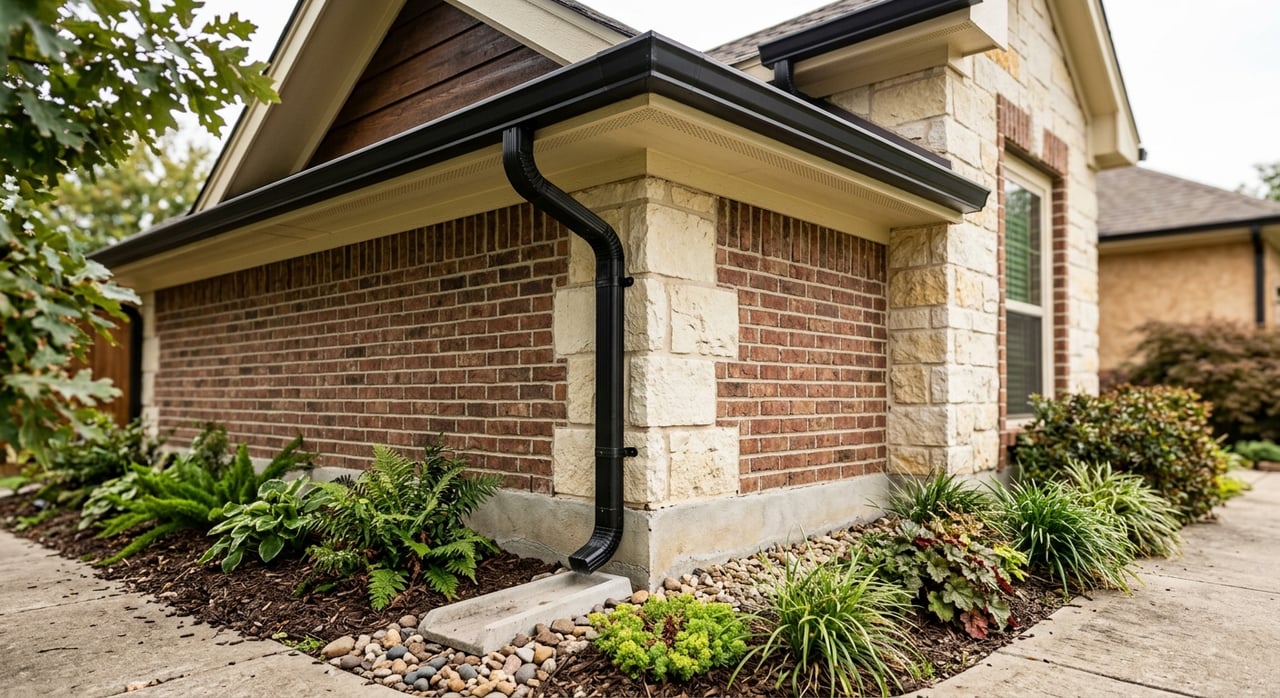
Clean out gutters and downspouts so water can move away from your home. It is also smart to clear nearby drainage ditches or storm drains if they affect how water leaves your lot.
This matters even more in Hopkins County because water management can be a real issue, especially in and around Sulphur Springs. The county hazard plan notes that about 28% of Sulphur Springs acreage lies in the 100-year floodplain, so keeping runoff directed away from the home is a practical priority.
After strong winds or hail, inspect tree limbs, fences, sheds, and other outdoor structures. The county’s hazard planning documents repeated wind damage to trees, roofs, sheds, and barns, so a quick check can help you catch trouble before the next storm rolls through.
If you see missing shingles, bent flashing, or signs of hail damage, it may be time to call a local roofer and your insurer. Waiting until the next rain can make a manageable repair more expensive.
Spring maintenance should include a quick indoor inspection too. Look at ceilings, attic spaces, crawlspaces, and walls for moisture stains, musty odors, or signs of leaks.
If any part of the home took on storm or flood water, dry it out as quickly as possible. Materials that stay wet for more than 24 to 48 hours often become moldy, so fast action matters.
Summer in Hopkins County is hard on homes, lawns, and cooling systems. With average highs around 94°F in July and August and local drought and extreme heat listed as common hazards, warm-weather upkeep is more than just curb appeal.
Your cooling system will likely work hard for much of the season. A pre-summer HVAC service visit is a practical step that can help you spot wear early and keep your system ready for extended heat.
This is especially helpful if your unit is older or if you noticed uneven cooling last year. It is usually easier to address those issues before the hottest stretch of summer begins.
If you have a lawn, summer is a good time to review how much water you are using. Texas A&M AgriLife recommends irrigation audits and evapotranspiration-based watering schedules, and notes that over-irrigation can increase lawn disease and weed pressure.
In simple terms, more water is not always better. In a county where drought and extreme heat are common, efficient watering is part of smart home maintenance.
A struggling lawn does not always mean it needs more irrigation. Sometimes the issue is timing, drainage, or applying too much water too often.
If you are unsure, the Hopkins County AgriLife Extension office can be a useful local resource for landscaping, irrigation, soil, and water questions. That kind of guidance can help you protect both your yard and your utility costs.
Fall is the season to reset your home before rain, leaf drop, and the first freeze. A few preventive steps during this window can lower the chance of winter damage.
Even if you cleaned them in spring, do it again in fall. Gutters, downspouts, splashpads, and nearby drains all need to move stormwater away from the house.
This simple task helps protect your roofline and foundation. It also matters on both town lots and rural homes, where runoff problems can build slowly and become expensive.
Warm-season turf generally needs far less irrigation from late fall into early spring. AgriLife guidance for bermudagrass recommends turning off or significantly reducing irrigation during dormancy because cooler temperatures and rainfall usually meet plant needs.
That adjustment can save water and help you avoid unnecessary oversaturation. It is an easy seasonal change that many owners forget.
Texas frosts and freezes can damage landscape plants, fruit, and vegetables. AgriLife advises against late-summer nitrogen fertilization or hard pruning because those steps can make plants less winter hardy.
If you enjoy maintaining a yard, garden, or small orchard, this is one of those details that can make a visible difference by spring. A little restraint in late season often helps plants handle winter better.
Hopkins County winters are milder than many parts of the country, but freezes still happen. The county hazard plan notes that winter storms can affect any part of the county, so it is wise to prepare before temperatures drop.
AgriLife recommends getting ready in October or November rather than waiting for a freeze warning. That includes wrapping exposed pipes, protecting pipes in attics or exterior walls, shielding lines from wind, and insulating well houses.
These steps are especially important for rural properties, older homes, and any setup with exposed plumbing. Preventive work usually costs far less than a burst pipe.
If a freeze causes a plumbing leak or a storm brings water into the home, do not wait to dry things out. Wet materials can become moldy within 24 to 48 hours.
If floodwater entered the house, have the HVAC system checked and cleaned by a professional before turning it back on. It is also wise to have the electrical system checked before power is restored after flood damage.
If your Hopkins County property includes acreage, a private well, or a septic system, your seasonal checklist needs a few more items. These systems can work well for years, but they need regular attention.
If your home uses an onsite sewage facility, do not drive or park over the drainfield. TCEQ also says you should not build over the system and should avoid adding chemical or enzyme additives that may interfere with operation.
Routine pumping matters too. TCEQ homeowner guidance says septic tanks should generally be pumped every three to five years, and Hopkins County Environmental Quality requires a local permit and inspection before a system is covered.
Private wells should be tested annually for total coliform bacteria, nitrates, total dissolved solids, and pH. You should also test after flooding, repairs, or any noticeable change in water quality.
It also helps to keep runoff away from the well and make sure it has a sanitary cap or seal. If a well is damaged, contaminated, abandoned, or needs major work, a licensed well driller or pump installer is the right pro to call.
An abandoned well may seem harmless, but it can become a real maintenance and safety concern. AgriLife says Texas landowners are responsible for plugging abandoned wells.
If you have one on your property, treat it like a project that deserves proper attention. A licensed well driller or pump installer, or the local groundwater conservation district, can help you take the next step.
If your property has both a well and septic system, good records can save time and stress later. Keep a simple log of well testing, maintenance, septic pumping, inspections, and repairs.
That record is helpful for your own planning, and it can also be useful if you decide to sell. Buyers often appreciate clear documentation on rural utility systems.
If you want to keep things manageable, use this repeatable checklist each year.
Seasonal maintenance is first about protecting your home while you live in it. But it can also help when it is time to sell.
Buyers often notice signs of consistent care, especially on roofs, drainage, HVAC upkeep, and rural systems like wells and septic. If you stay on top of the basics now, you may have fewer repair surprises and a smoother path later.
If you are thinking about selling, wondering which maintenance items matter most before listing, or trying to evaluate an in-town home versus a rural property, Renee Jennings can help you think through the next step with practical local guidance.



We are committed to guiding you every step of the way—whether you're buying a home, selling a property, or securing a mortgage. Whatever your needs, we've got you covered.

Renee Real Estate Group
208 Main St Sulphur Springs, TX 75482