Sulphur Springs Home Inspection: Foundation Risks to Your Sale
A buyer's inspector walks a slab-on-grade house off Church Street, sets a digital level in the front hall, and finds three-quarters of an inch of fall from the kitchen to the far bedroom. The report goes to the buyer's agent that night. By morning, the option period has 48 hours left and the seller is staring at a repair estimate the size of a used truck.
This is the moment where Sulphur Springs deals go sideways. Not appraisal. Not financing. The foundation line item.
The thesis of this post is narrow and worth saying plainly: in a market where homes in Sulphur Springs sold for a median price of $213K in March 2026 and took 80 days on market compared to 38 days a year earlier, the buyer has time on their side, and time is what turns a foundation note into a price cut. Sellers who order the engineering paperwork before the sign goes in the yard, rather than during the option period, are the ones who keep control of the number.
Northeast Texas sits on expansive clay. That is not a marketing phrase, it is a soil behavior. The region is affected by expansive clay soils that swell when wet and shrink during dry weather, and this constant cycle of movement puts stress on foundations, causing cracking, settlement, and structural shifting over time. In North Texas the most prevalent variety is Houston Black Clay, a dark, dense clay that can expand in volume by 30 to 40 percent when fully saturated.
Translate that into what a Sulphur Springs inspector writes down. Hairline cracks stepping across brick veneer above a window. A back door that latches in February and drags in August. A gap between the baseboard and the tile in one corner of the primary bath. None of these are unusual for a home built on Hopkins County soil, and none of them, on their own, mean the house is failing. What they mean is that a buyer is now allowed to ask a question the seller cannot answer without paperwork.
Sulphur Springs housing stock leans heavily to slab-on-grade, especially in subdivisions built after the late 1980s. Older homes closer to the square are more often pier-and-beam. The distinction matters because inspectors write different reports for each.
| Foundation type | What the inspector usually flags | What the buyer usually asks for |
|---|---|---|
| Slab-on-grade | Elevation differentials across rooms, stair-step cracks in brick, interior sheetrock cracks at door corners, separation at exterior mortar joints | Structural engineer's evaluation, drainage correction, sometimes pier estimates |
| Pier-and-beam | Sagging or bouncy floors, shimmed piers, moisture under the crawl, rotted sill plates, uneven beams | Access to the crawl for a foundation contractor, moisture remediation, sistered joists |
Slab foundations are rigid concrete structures that can crack and heave as the clay beneath them moves; pier and beam foundations have more inherent flexibility because the raised structure can tolerate some soil movement, but the wooden components are also susceptible to moisture damage, decay, and insect infestation in the humid conditions that expansive clay creates. Both foundation types are vulnerable to clay soil; they simply fail in different ways and require different repair approaches.
The negotiation looks different too. A slab finding tends to produce a single large repair number. A pier-and-beam finding tends to produce a longer list of smaller ones, which is often harder for a seller to counter because it feels like a house with many small problems rather than one solvable one.
Repair scope is the piece most buyers and sellers guess at. The public range from Texas foundation contractors is wide but useful as a floor and ceiling.
Repair costs vary significantly based on foundation type, the scope of damage, and the size of the home. Smaller repairs addressing localized settlement may fall in the range of $3,500 to $8,000. Larger projects involving multiple piers, tunneling, or extensive leveling can range from $15,000 to $30,000 or more. The most important first step is a professional engineering inspection, which provides an accurate diagnosis before any repair work is proposed.
Now put those numbers next to the local sale price. If the median Sulphur Springs sale sits in the low-$200,000s, a $6,000 slab repair is roughly three percent of the deal. A $22,000 leveling job is closer to ten percent. Buyers rarely ask for the full repair as a credit. They ask for something in between, and they anchor to whichever number they saw first.
That anchoring is the mechanism worth understanding. The first written estimate in the file becomes the ceiling. If it is a foundation contractor's quote arranged by the buyer during the option period, the seller has to argue down from a number they did not choose.
General home inspectors in Texas are trained to identify signs of movement, not to quantify structural risk. When their report uses phrases like "indications of movement" or "further evaluation recommended," a buyer's next step is usually a licensed professional engineer.
Local firms handle these reports as a standalone service. A foundation inspection service in Sulphur Springs will include advanced elevation surveys and a detailed examination of structural integrity, and calling a licensed foundation inspector gets accurate, reliable results to help homeowners make informed decisions. The engineer's letter is what closings actually turn on. It either says the home is performing within tolerance, or it recommends a specific repair plan.
A seller who commissions this letter before listing controls three things at once. They control which engineer writes it. They control the timing so the letter is not being read in a 48-hour option window. And they control the disclosure conversation, because a pre-listing engineering letter converts a scary unknown into a documented condition.
A foundation finding is only a crisis when it arrives during the option period. Six weeks earlier, it is just information.
Buyers and sellers both fixate on piers. The engineers are usually looking at gutters.
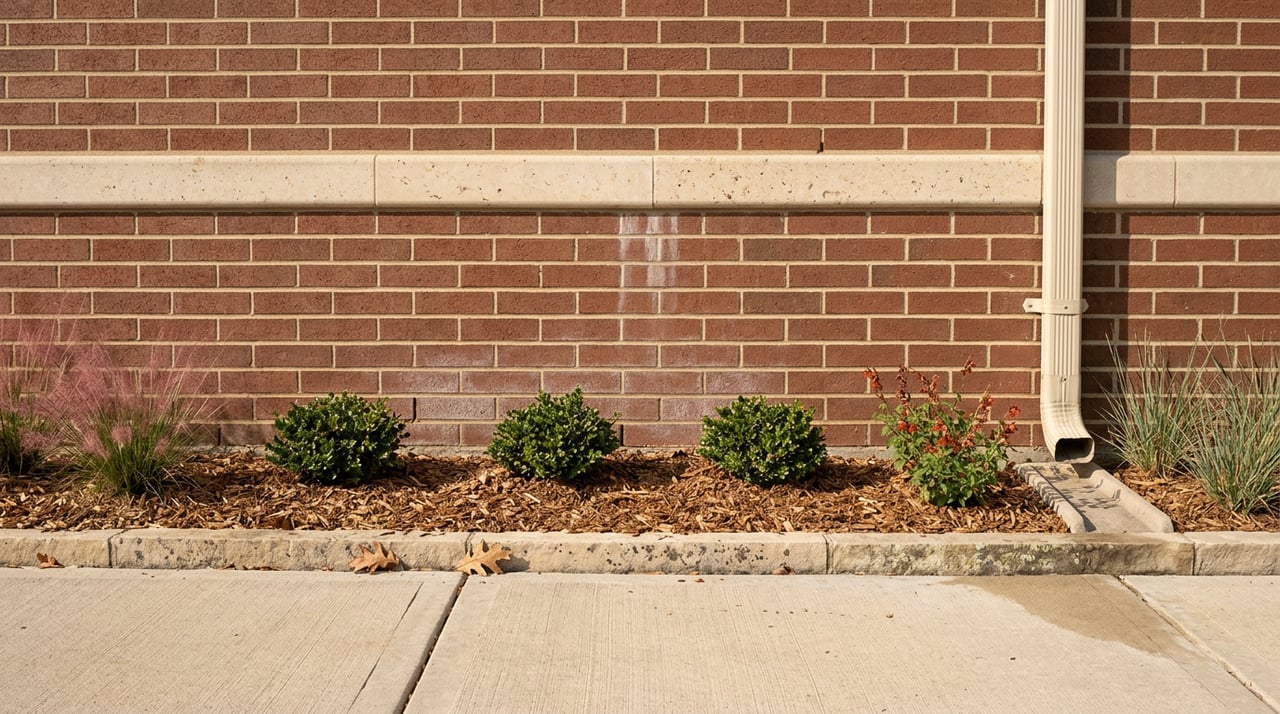
Poor drainage and plumbing leaks can accelerate the problem. Slab leaks, meaning broken or leaking pipes beneath a concrete foundation, can create localized saturation that severely destabilizes the clay soil in a concentrated area. In practical Sulphur Springs terms, that means a downspout dumping against a west-facing slab in August is doing more damage than most homeowners realize, and correcting it costs a few hundred dollars.
Sellers who walk their own perimeter before listing usually find the same three things: a downspout with no extension, a flowerbed graded toward the house instead of away from it, and a hose bib that has been dripping quietly for a year. Fixing these before an inspector arrives removes the sentences from the report that give buyers the most leverage, because "grade slopes toward structure" is a phrase no listing agent wants to see in writing.
For a Sulphur Springs seller with a home that is 15 to 40 years old on a slab, the order of operations matters more than any single step.
The reason this sequence works is arithmetic. The market is expected to remain steady through the summer of 2026, with most sales closing at roughly 98 percent of list price. That two-percent gap between list and sale is where foundation renegotiations live. A pre-listing engineer's letter protects that two percent by removing the surprise.
The negotiation math is different now than it was two years ago. Sulphur Springs is currently experiencing a balanced market that leans slightly in favor of buyers who have strong financing, and the frenetic pace of the early 2020s has been replaced by a more deliberate, healthy transaction cycle. Walkable homes near the town square are commanding a 15 to 20 percent premium over properties on the outskirts in 2026.
Two takeaways for a seller reading their inspection response. First, buyers have time to shop other listings while the option period runs, which means they are more willing to walk from a foundation surprise than they would have been in 2022. Second, the premium on walkable homes near the square is largely being paid on older housing stock, which is the same stock most likely to sit on pier-and-beam or on slabs poured before modern drainage standards. Sellers of those homes carry more foundation risk and more pricing power at the same time, and the way to keep both is documentation.
Does a foundation repair with a transferable warranty hurt resale value? In practice it helps, because the next buyer inherits both the repair and the paperwork. A repaired and warrantied foundation is a known quantity. An un-inspected original slab is not.
Can I sell "as-is" and skip the engineer? You can, and buyers can price the unknown into their offer, which typically costs the seller more than the engineer would have. As-is is a pricing strategy, not a shortcut around disclosure.
How long is an engineer's letter good for? Most Sulphur Springs engineers date their letters, and buyers' lenders often want one issued within the last 12 months. If your home has been listed and relisted, refresh it.
Foundation questions do not have to end a Sulphur Springs sale. They just have to be answered before the option clock starts. If you are preparing to list a home in Sulphur Springs or Hopkins County and want a plan that keeps your list-to-sale ratio intact, Renee Real Estate Group can walk your property with you and help you sequence the paperwork before the sign goes up.


We are committed to guiding you every step of the way—whether you're buying a home, selling a property, or securing a mortgage. Whatever your needs, we've got you covered.

Renee Real Estate Group
208 Main St Sulphur Springs, TX 75482