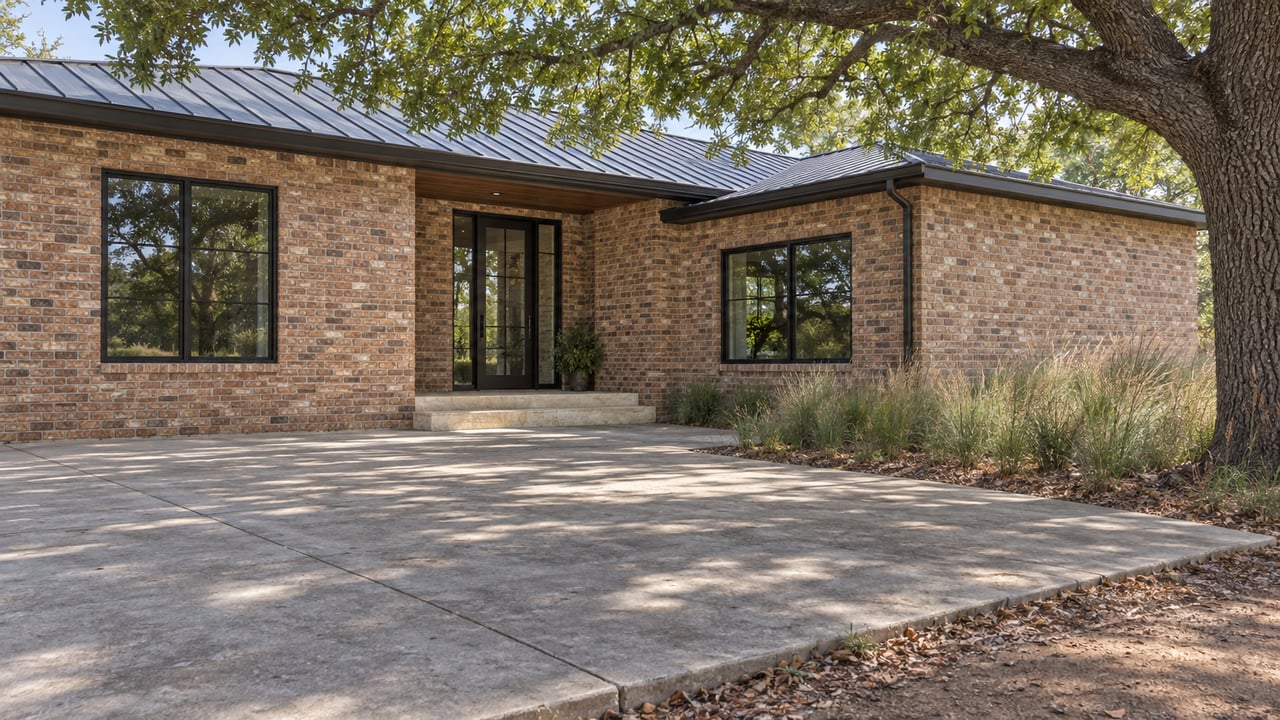
The Real Math Behind Hopkins County "Hunting Land" Prices
A hunting lease on a solid Hopkins County tract might bring a landowner ten to twenty five dollars an acre a year. Texas Parks and Wildlife's own landowner income guidance puts the statewide range at two to ten dollars an acre for recreational leases, with the top of that range reserved for land that has strong managed habitat and sits close to a population center. Broader lease-market data across Texas runs a little higher, five to fifty dollars an acre depending on region, with a statewide median closer to ten to eighteen. Land currently for sale around Hopkins County, meanwhile, is asking six thousand to more than fourteen thousand five hundred dollars an acre depending on how wooded it is, how close it sits to town, and how much road frontage comes with it.
Run those two numbers against each other and the deer stop explaining the price. A tract priced at nine thousand dollars an acre, which is close to the current average for hunting-land listings around the county, would earn a landowner somewhere between a quarter and half a percent of that value back each year in lease income, even using generous assumptions. That is not a return. That is a rounding error next to a savings account.
So what is the price actually paying for? Not the animals. The land under them.
Walk through any current batch of Hopkins County acreage listings and the pattern repeats. A two hundred eighty acre tract minutes from downtown Sulphur Springs, ag exempt, priced at six thousand three dollars an acre, gets marketed as a "hunters and ranchers paradise" with over two thousand two hundred feet of interstate frontage mentioned almost as an afterthought. A thirty two acre wooded parcel near Como, water and septic already in, lists below the county's own appraisal district market value and gets pitched on privacy and no known restrictions. A seventy two acre part-wooded tract near Saltillo, priced at seven thousand seven hundred fifty an acre, leads with ponds and shooting lanes before it mentions the two thousand six hundred feet of frontage on a state-maintained farm to market road.
The hunting language is real. The habitat is real. But it is doing marketing work, not pricing work. The actual price sits somewhere else entirely.
Some of the largest tracts on the market make this explicit. A hundred-plus acre parcel on County Road 2315 near Sulphur Springs, listed above two million dollars, is pitched directly at buyers weighing "investment property or sub division potential," not hunters. Land marketed this way is priced against what a hundred acres near a growing town might become over ten or twenty years, not against what it produces this season. Recreational land near expanding towns has repeatedly shown that same pattern statewide, treated as a rare, appreciating asset rather than an income stream.
A two hundred five acre corner tract sitting just over a mile from Interstate 30 and roughly a mile and a third from Sulphur Springs Country Club and its golf course carries a price built on that location, not on its deer population. Road frontage on two sides, elevation change, and a clear FEMA floodplain status all show up in that listing before hunting does. Distance to I-30, distance to town, and distance to the Carrizo-Wilcox aquifer that feeds many of the county's private wells all move the number more than a wildlife survey would.
Then there are tracts that resist pure investment math altogether. A hundred fifty six acre corner property with frontage on Wolf Pen Creek has stayed in the same family since the Civil War, complete with an old dairy barn and milking parlor still standing on the land. Listings like that carry a story that a spreadsheet does not touch, and buyers who pay a premium for that kind of continuity are not pricing hunting rights either. They are pricing a piece of the county's own agricultural history.
One more factor deserves a mention without repeating ground already covered elsewhere. Most of these tracts carry an agricultural valuation that keeps the annual property tax bill a fraction of what it would be under market value assessment. That exemption changes what it costs to hold the land year to year. It does not change what the land is worth on paper, and it is not the same thing as income from a hunting lease. A buyer evaluating one of these tracts should treat the ag exemption as a separate line item from any lease revenue, not a substitute for it.
Archery season opens October 3, 2026, and the general season for the North Zone, which covers Hopkins County, runs November 7, 2026 through January 3, 2027. That window is exactly when most of these listings get their best photography and their most enthusiastic copy, trail cam pictures, feeder locations, fresh deer sign along a creek bottom. It is also exactly the wrong window to let the hunting story set the price in your head.
A fall walk through a tract is still useful. It shows you water sources in the season they matter most, it shows you where the tree cover actually sits versus where a listing photo made it look, and it shows you road access when the ground is at its most representative for the coming winter. Use that walk to check the things that actually hold the number: frontage, elevation, distance to pavement, floodplain status, and whether the ag exemption is current and transferable. Let the deer be a bonus, not the thesis.
Can I still lease hunting rights after I buy? Yes. Nothing about owning ag-exempt land in Hopkins County prevents you from leasing hunting access to offset a small piece of your carrying cost. Just size that expectation correctly. At the per-acre lease rates in play across most of Texas, it will supplement your holding cost, not repay your purchase.
Does the ag exemption require me to allow hunting? No. The exemption is tied to agricultural or wildlife management use of the land, not to hosting hunters. A landowner can maintain the exemption through grazing, hay production, or an approved wildlife management plan without ever signing a lease.
Will the current hunting season affect when I can tour a property? Sometimes. If a seller already has an active lease in place for the fall, access for showings may be limited during peak weekends of archery or general season. Confirm lease status early in the process so a fall walk-through does not conflict with someone else's hunt.
Land in Hopkins County keeps getting sold on the strength of what walks across it in November. The number on the sign is being set by something quieter: the road it sits on, the town it sits near, and how many years the family before you held onto it. If you are weighing a tract this fall and want help reading the price the way the market actually reads it, Renee Jennings and the team can walk it with you before you make an offer.


We are committed to guiding you every step of the way—whether you're buying a home, selling a property, or securing a mortgage. Whatever your needs, we've got you covered.
Renee Real Estate Group
208 Main St Sulphur Springs, TX 75482