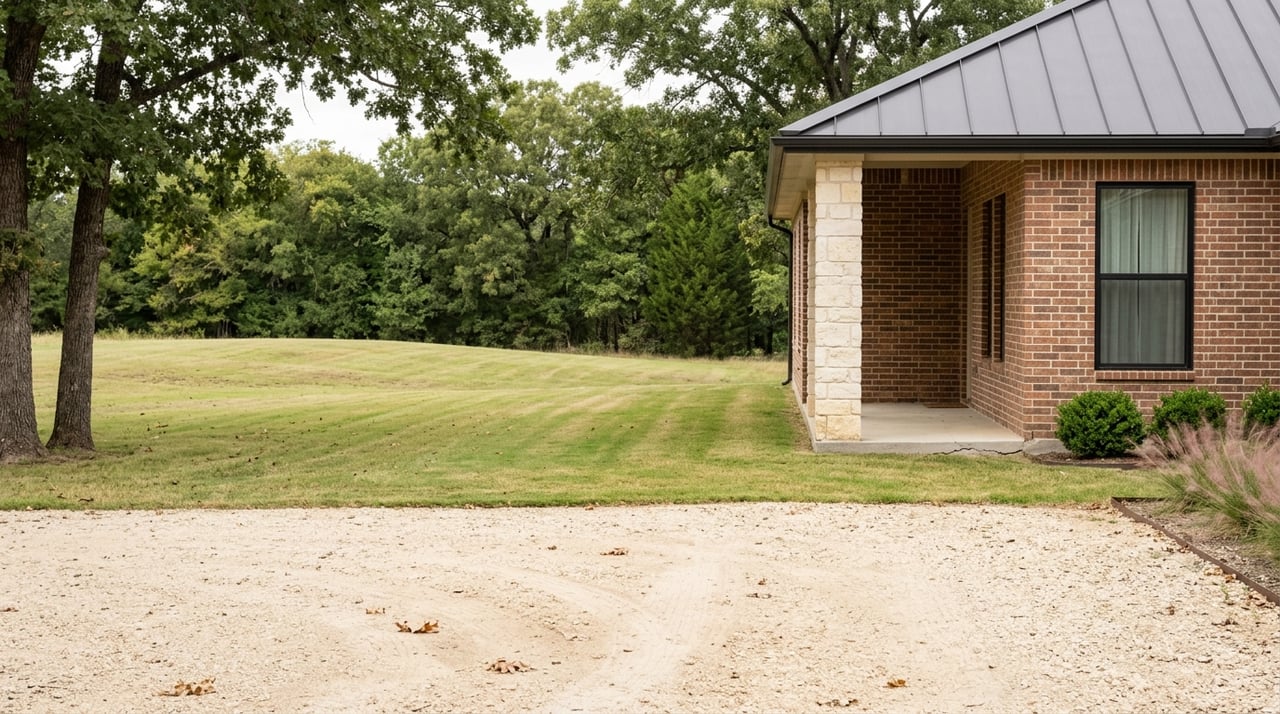
Sell Land in Hopkins County TX With a Smarter Acreage Plan
Selling acreage in Hopkins County is different from selling a house in town. A buyer is not just looking at how the land looks from the road. They are also asking about access, soils, drainage, water, tax status, and what the property can realistically support. If you want a smoother sale and a stronger price, it helps to prepare both the land and the paperwork before you list. Let’s dive in.
A common mistake is pricing acreage from the property tax record alone. In Texas, appraisal districts value taxable property at market value as of January 1, and for vacant land they typically prefer the sales comparison approach. That matters, but it does not mean your tax value is the best list price for today’s market.
For a broader benchmark, Texas Real Estate Research Center data for fourth quarter 2025 showed rural land prices statewide at $5,214 per acre, up 6.56% year over year. In Northeast Texas, the average was higher at $9,159 per acre, up 2.22% year over year, with a typical transaction size of 120 acres. TRERC also notes that broad regional numbers are only a guide, not a substitute for a current local market study.
In Hopkins County, acreage is rarely valued by size alone. Buyers usually compare tracts based on road access, water features, soils, drainage, improvements, tract shape, mineral rights, wildlife potential, and even exposure to future public projects.
That means two tracts with the same acreage can land at very different values. A property with clear access, usable terrain, and strong documentation may compete much better than a similar-sized tract with unanswered questions.
A strong pricing strategy usually starts with recent Northeast Texas land comparables, then adjusts for the details that matter most. Those details often include:
If you skip those adjustments, you risk either overpricing the property and sitting on the market or underpricing it and leaving money behind.
Tax treatment can shape how buyers view your acreage. In Texas, qualifying agricultural, open-space, timberland, and some wildlife-management land may be appraised on productivity value rather than market value, which is often lower.
To qualify, the land generally must be devoted principally to agricultural use, meet a degree of intensity accepted in the area, and usually show qualifying use for five of the past seven years. If that use changes to non-agricultural use, rollback tax can apply for the prior three years.
One of the first buyer questions is often whether the land has agricultural appraisal and whether rollback tax could become an issue. A sale itself does not automatically answer that question. What matters is whether the land use changes in a way that affects eligibility.
Before listing, confirm your current appraisal status and gather any records that show use history. This helps you answer buyer questions clearly and avoid surprises during negotiations.
Many sellers see extra value in the idea that a tract could be split later. That may be true, but it is important to be careful and factual when marketing that potential.
Hopkins County subdivision regulations apply to land outside municipalities and ETJs. The county defines a subdivision as dividing a tract into two or more parts for lots or public-use areas, and the rules require floodplain and drainage information on plats.
If your acreage might appeal to buyers who want future division options, gather the information that supports a realistic discussion. Buyers will want to know whether flood hazards, drainage, road access, or other site conditions could limit that plan.
Hopkins County also requires written notice when lots are in a flood-hazard area. So if floodplain issues affect the tract, that is something to clarify early rather than after a buyer is already deep into due diligence.
If a future owner will need a new access driveway on county road right-of-way, there may be an added step. Hopkins County’s permit form states that the grantee is responsible for culvert costs and installation, and the work is subject to county inspection and approval.
This does not mean your property cannot sell well. It simply means access should be presented accurately, with as much supporting detail as possible.
With acreage, the best preparation is often paperwork, not cosmetics. Buyers move faster when they can verify key facts without chasing missing documents.
For tracts that could support a homesite or septic system, Hopkins County’s OSSF review checklist calls for several items, including an overall site plan with lot sizes and existing water-well locations, a topographic map, a FEMA 100-year floodplain map, soil survey information, drainage direction, and an official county road map.
A practical pre-listing packet may include:
Having these items ready can save time, strengthen buyer confidence, and reduce the back-and-forth that often slows rural transactions.
The Natural Resources Conservation Service says soil surveys can help evaluate suitability for housing, crop use, recreation, and other land uses. For Hopkins County sellers, that matters because buyers often want to know not just what the land is, but what the land can support.
NRCS also identifies Web Soil Survey as the current official source for soil survey information. Even if you are not making promises about future use, having clear soil information can make your listing easier for buyers to understand.
You do not need to over-improve raw land to make it market-ready. In most cases, the goal is to make the property easier to access, inspect, and understand.
Simple physical prep can help buyers see the tract’s potential faster and more confidently. This is especially important for out-of-area buyers who may only visit once before deciding whether to move forward.
Before listing, consider practical steps like these:
These steps help buyers evaluate the land without guessing where usable areas begin and end.
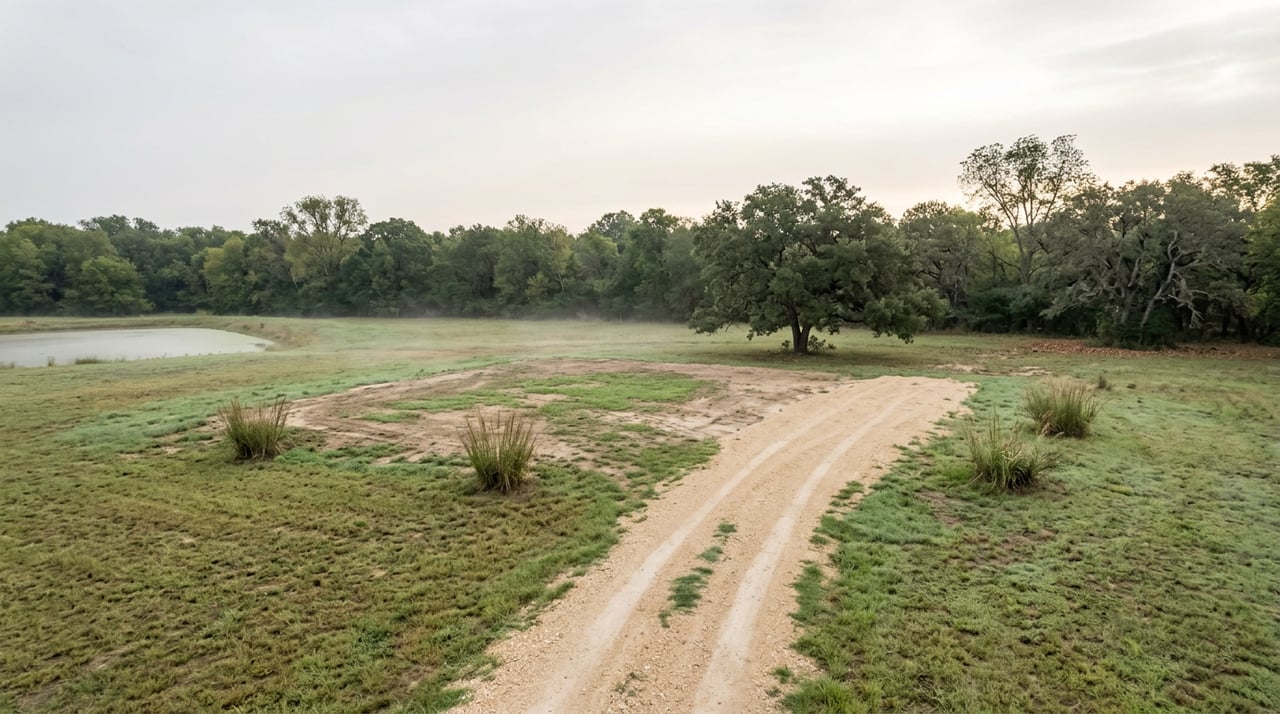
With acreage, buyers often respond best when they can quickly understand the tract’s most functional features. A pond, cleared field, homesite area, or existing improvement may carry more weight than general descriptions.
The easier it is for a buyer to connect the map, the paperwork, and the physical land, the easier it is for them to make a decision.
Most acreage buyers ask a similar set of questions early in the process. If you can answer them clearly, your listing will feel more credible and easier to pursue.
Typical early questions include:
These are not small details. In Hopkins County, they often shape price, financing comfort, due diligence, and negotiation leverage.
The best results usually come from treating pricing and preparation as one strategy. A well-prepared tract is easier to price correctly because the property’s strengths and limitations are easier to verify.
In practical terms, that means your strongest listing position usually comes from recent Northeast Texas land comparables, adjusted for access, water, soils, improvements, agricultural status, and possible subdivision considerations. Then you support that price with clear documents and an easy-to-tour property.
That approach gives buyers fewer reasons to hesitate and more reasons to take your acreage seriously from day one.
If you are thinking about selling acreage in Hopkins County, having a local strategy can make a big difference. The team at Renee Jennings helps sellers across North East Texas price unique properties thoughtfully, prepare for buyer questions, and move forward with clear, practical guidance.


We are committed to guiding you every step of the way—whether you're buying a home, selling a property, or securing a mortgage. Whatever your needs, we've got you covered.

Renee Real Estate Group
208 Main St Sulphur Springs, TX 75482