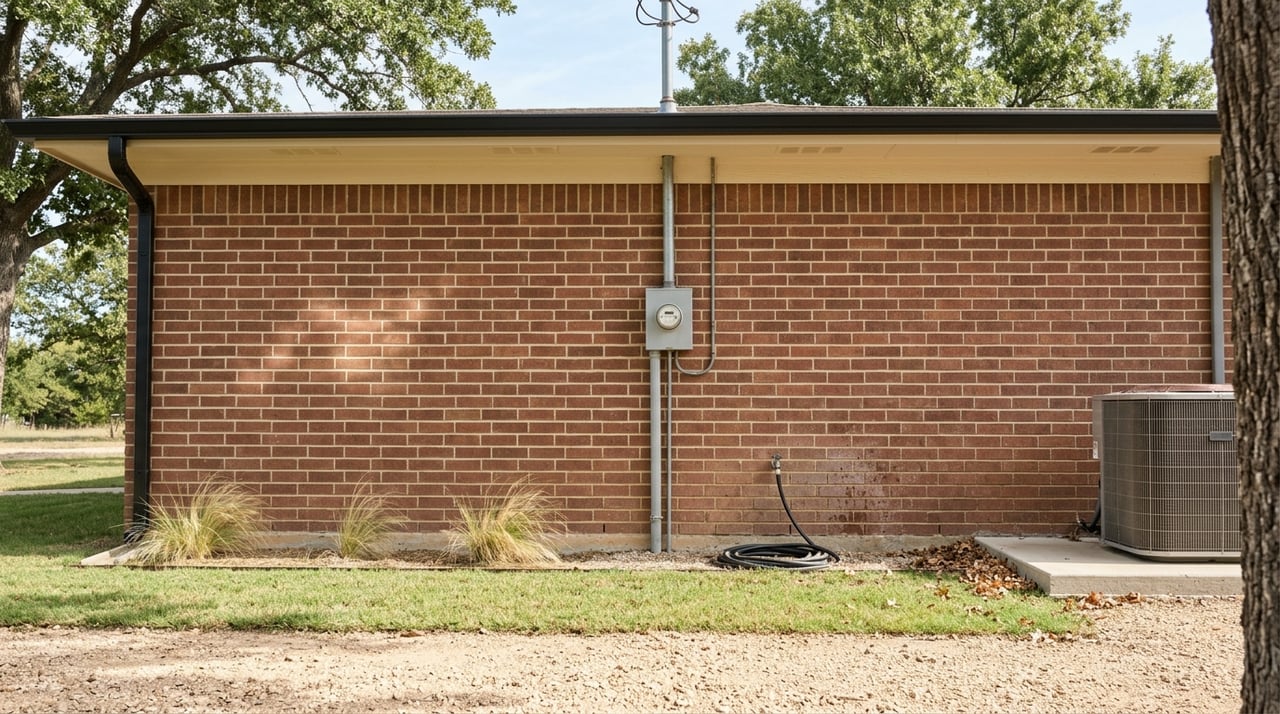
Buying Land in Hopkins County TX: A Practical Guide
If you have ever fallen in love with a piece of land online, you already know how easy it is to picture the possibilities. What is harder is knowing whether that Hopkins County tract will actually work for the home, shop, ranch setup, or future plans you have in mind. This guide will help you focus on the details that matter most so you can buy with more confidence and fewer surprises. Let’s dive in.
Buying land in Hopkins County is often very different from buying an existing home. Instead of focusing only on price, size, and location, you also need to verify how the property can be used under county or city rules.
Hopkins County’s published development rules focus on subdivision approval, on-site sewage facilities, road access, drainage, and floodplain review. The county states that the commissioners court has authority over subdivision review, OSSF regulation, roads and drainage, and floodplain administration. In practical terms, that means your due diligence should start with land use, not just appearance.
A key question is whether the tract is inside Sulphur Springs city limits, in a municipality’s extraterritorial jurisdiction, or in the unincorporated county. That matters because the City of Sulphur Springs has a formal zoning ordinance within city limits, while rural county land may be governed mainly by county subdivision and development rules.
If a property is in a municipal ETJ, Hopkins County requires the plat to state that status, and municipal approval may be needed before filing. The county also states that when both municipal and county subdivision rules apply, the stricter standard controls.
Before you make an offer, get clear on what you want the property to do for you. A tract that works well for a homesite may not be ideal for future subdivision, livestock use, a private well, or a septic system.
Your intended use shapes almost every other question. It affects what kind of access you need, whether utilities are a deal-breaker, how floodplain impacts the build area, and whether special tax appraisal could matter later.
Here are some of the most important questions to ask before moving forward:
One of the biggest land-buying mistakes is assuming utilities will be simple to handle later. In Hopkins County, utility verification should be part of your planning from the start.
County subdivision regulations require plat documents to identify the entity supplying electric, phone, and gas service, or to state that those utilities are not available. The plat must also show proposed utility easements and infrastructure, identify the water and sewer provider if known, and state the intended water source for each lot.
If the property will rely on a septic system, the county treats that as more than a construction detail. Hopkins County’s OSSF materials show that proposed subdivisions or development plans using on-site sewage facilities must be reviewed by the permitting authority.
The county’s review checklist asks for an overall site plan, lot sizes, existing water well locations, a topographic map, a FEMA 100-year floodplain map, soil information, and an official county road map. Once a submission is administratively complete, county staff states that it will provide a written response within 45 days.
The county also requires certification that lots comply with local OSSF rules. It further prohibits issuance of an OSSF or development permit unless the parcel complies with the county’s subdivision and OSSF regulations. For you as a buyer, that means septic feasibility should be checked early, especially on raw land.
A property can look perfect in photos and still require major work to make it usable. Depending on the tract, you may need utility extensions, a private well, or a different wastewater solution than you first expected.
That is why utility questions are not minor details in Hopkins County. They are often central to the property’s value, cost to improve, and timeline to build.
Legal access is one of the most important parts of land due diligence. It is not enough for a property to appear to touch a road on a map. You need to understand whether that access is public, private, recorded, maintainable, and usable for the improvements you want.
Hopkins County subdivision rules require plats to identify whether improvements are public or private. The county also states that private roads remain the responsibility of the subdivider or later owners unless the commissioners court separately accepts them for county maintenance.
If access involves a driveway on county road right-of-way, Hopkins County has a permit process for that too. The county’s permit language makes the grantee responsible for culvert costs and installation, requires county inspection and approval of construction, and states that the permit becomes void if the driveway facilities are not constructed within six months.
This is one reason a current survey is so helpful. A survey can reveal easements, rights-of-way, and physical constraints that may not be obvious from a listing or aerial view.
Floodplain is not just a box to check for resale. In Hopkins County, floodplain review can directly affect whether a property can be developed the way you intend.
The county’s subdivision regulations require preliminary plats to include base flood elevation data, drainage information, and flood-hazard delineation. Developers must also inform buyers in writing if lots are located in an identified flood hazard area.
If a structure is proposed in a known flood hazard area, Hopkins County requires engineering studies and county approval. The county’s OSSF review materials also ask for a FEMA 100-year floodplain map and, if needed, a statement from the local floodplain administrator or the appropriate state floodplain section.
That means floodplain conditions can affect more than where you place a home. They can also affect septic feasibility, lot layout, drainage planning, and future subdivision potential.
Rural land comes with questions that do not always show up in a standard home search. In Hopkins County, you will want to understand the survey, title commitment, easements, restrictive covenants, and any mineral-related issues as early as possible.
Texas A&M’s Real Estate Research Center notes that a survey can show more than boundary lines. It may reveal easements, restrictive covenants, flood zones, encroachments, and mineral reservations or drill sites.
A current survey can help you evaluate building sites, driveway placement, fences, drainage paths, barns, ponds, and utility corridors. It can also help you spot limitations before you commit to a tract that does not fit your plans.
The same source recommends ordering the title commitment early and using a current survey rather than relying on an old one. That can be especially important when you are buying larger acreage where access, encroachments, or reserved rights may not be obvious.
If you are buying land for agriculture, timber, or wildlife management, tax treatment may be part of the bigger picture. The Texas Comptroller explains that agricultural appraisal is governed by Tax Code Chapter 23 and that landowners may apply for special appraisal on the appropriate form.
The Comptroller also notes that wildlife management use can qualify for special agricultural appraisal if statutory requirements are met. For some buyers, that can be an important part of deciding whether a tract matches their short-term and long-term goals.
For appraisal questions, the Texas Comptroller states that most property tax and appraisal questions should be directed to the local appraisal district or tax assessor-collector. Hopkins County’s tax assessor-collector page links directly to the Hopkins County Appraisal District and lists the CAD phone number as 903-885-2173.
If special appraisal matters to you, it is wise to confirm details locally before assuming a property will qualify based on past use or current appearance.
Land purchases usually go more smoothly when you tackle due diligence in the right order. Instead of waiting until late in the process, start by confirming the property’s jurisdiction, access, utility situation, septic feasibility, and floodplain status.
From there, review survey and title information for easements, restrictions, encroachments, and mineral reservations. If your goals include future division of the land, also look closely at county platting standards and road requirements before you buy.
A local land-focused real estate team can help you sequence these steps, ask better questions, and connect with the right local contacts early. That matters in Hopkins County, where road maintenance, ETJ status, utility access, and OSSF feasibility can materially change a tract’s usability and value.
If you are comparing multiple properties, this kind of guidance can also help you avoid spending time and money on land that looks good at first glance but does not fit your plans once the details come into view.
Buying land should feel exciting, not overwhelming. When you understand how Hopkins County handles access, septic, utilities, floodplain review, and land use, you can make a more informed decision and move forward with greater confidence. If you want a steady local guide as you sort through acreage options in Sulphur Springs or across Hopkins County, reach out to Renee Jennings.



We are committed to guiding you every step of the way—whether you're buying a home, selling a property, or securing a mortgage. Whatever your needs, we've got you covered.

Renee Real Estate Group
208 Main St Sulphur Springs, TX 75482